
Building a daily skincare routine does not require a cabinet full of products or complicated multi-step rituals. For beginners, a simple, consistent approach focused on the essentials delivers the best results while minimizing irritation and overwhelm. Dermatologists consistently emphasize that a basic routine built around cleansing, moisturizing, and sun protection forms the foundation of healthy skin. This guide walks you through creating an effective, straightforward daily skincare routine tailored for those just starting out.
Understanding Your Skin Type Before You Begin
Before selecting any products, identify your skin type. Most skin falls into categories such as dry (feels tight or flaky), oily (prone to shine and congestion), combination (oily in some areas and dry in others), normal (balanced), or sensitive (easily irritated, reactive, or prone to redness).
Observe how your skin feels after washing with plain water and throughout the day. Does it sting, burn, or feel tight? Do you experience breakouts even with gentle products? Answering these questions helps match products to your needs. Starting with the right foundation prevents frustration and supports long-term skin health. A simplified approach works better than layering many active ingredients at once, as using too many products can increase the risk of irritation.
The Core Elements of a Beginner Skincare Routine
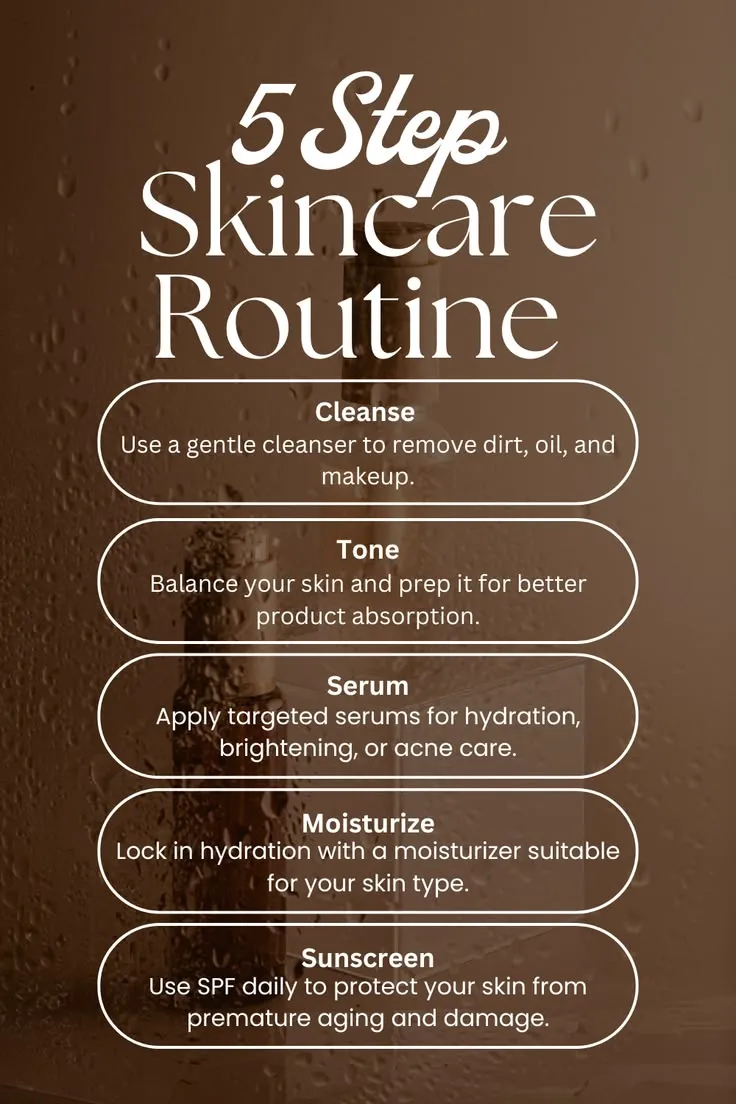
Every effective basic routine has three non-negotiable jobs: cleanse to remove impurities, moisturize to support the skin barrier, and protect from sun damage during the day. These steps form the backbone recommended by dermatologists and the American Academy of Dermatology. Additional treatments can come later once the basics feel stable.
Consistency matters far more than complexity. A simple routine followed daily outperforms an elaborate one abandoned after a week. Aim to maintain the core steps for several weeks before evaluating results or adding extras.
Building Your Morning Skincare Routine
Morning routines focus on protection. Your skin faces UV exposure, pollution, and environmental stressors throughout the day, so the emphasis is on defense and hydration.
Start with gentle cleansing if needed. For many with normal to dry or sensitive skin, a splash of lukewarm water suffices to refresh without stripping natural oils. Those with oilier skin may prefer a mild cleanser. Avoid hot water and harsh scrubbing, which can disrupt the skin barrier. Pat dry gently rather than rubbing.
Next, apply moisturizer suited to your skin type. This step helps reduce water loss and keeps the barrier strong. Oily or acne-prone skin benefits from lightweight, non-comedogenic gels or lotions. Drier skin responds better to richer creams. Look for supportive ingredients such as ceramides that help maintain hydration and resilience.
Finish with sunscreen—the most critical step. Use a broad-spectrum formula with SPF 30 or higher every day, including cloudy days and winter months. UV exposure occurs year-round and contributes significantly to premature aging, dark spots, and skin cancer risk. Apply after moisturizer and before makeup. Reapply as directed, especially during extended outdoor time, sweating, or swimming. A moisturizing sunscreen can sometimes streamline the morning for those seeking minimal steps.
An optional addition once basics are established is an antioxidant serum, such as one containing vitamin C, applied after cleansing and before moisturizer. This can offer extra daytime protection against environmental damage, but it is not required for beginners.
Creating Your Evening Skincare Routine
Evening routines shift toward cleansing and repair. Skin regenerates overnight, making this the ideal time to remove the day’s buildup and support recovery.
Cleanse thoroughly. Nighttime cleansing removes sunscreen, makeup, sweat, oil, and pollutants. A gentle cleanser works for most; those wearing makeup or heavy sunscreen may benefit from double cleansing (an oil- or balm-based first cleanse followed by a water-based one). Use lukewarm water and soft motions. Leaving residue can clog pores and lead to dullness or breakouts.
Follow with moisturizer. Apply while skin is still slightly damp to lock in hydration. Choose a texture appropriate for your type—lighter for oily skin, more nourishing for dry. This supports barrier repair during sleep.
Once your core routine feels comfortable (typically after four to six weeks), you may carefully introduce a targeted treatment, such as a retinoid for texture, acne, or early signs of aging. Apply treatments before moisturizer. Start slowly—two or three nights per week—and increase only as tolerated. Never skip moisturizer when using actives.
Choosing Suitable Products for Beginners
Select gentle, non-irritating formulas. For cleansers, opt for hydrating or mild options that do not leave skin feeling tight or squeaky clean. Moisturizers should match your type and ideally include barrier-supporting ingredients. Sunscreen must be broad-spectrum and at least SPF 30; mineral options with zinc oxide or titanium dioxide often suit sensitive skin well, but the best sunscreen is the one used consistently.
Avoid products loaded with fragrance if your skin is reactive. Focus on quality over quantity—three well-chosen products outperform a dozen specialty items. Apply products from thinnest to thickest consistency for better absorption: cleanser, any serums or treatments, moisturizer, then sunscreen in the morning.
How to Safely Introduce New Products
Add only one new product at a time and wait one to two weeks (or longer) before introducing another. This approach makes it easier to identify the cause if irritation occurs. Start active ingredients gradually rather than daily. If burning, stinging, redness, or flaking persists, pause the new product, simplify back to the basics, and allow the barrier to recover.
Give the full routine time—often four to six weeks or more—to show results. Skin improvements from hydration and barrier support can appear relatively quickly, while benefits from actives like retinoids take longer.
Common Mistakes Beginners Should Avoid
Several pitfalls can undermine progress. Skipping sunscreen, even indoors or on cloudy days, leaves skin vulnerable. Over-cleansing or using harsh, stripping formulas damages the barrier and may worsen oiliness or sensitivity. Over-exfoliating with physical scrubs or strong acids too frequently leads to irritation and compromised skin.
Introducing multiple new products simultaneously makes troubleshooting difficult. Neglecting nighttime cleansing allows impurities to sit on the skin. Changing routines too frequently prevents any single approach from working effectively. Applying moisturizer only to completely dry skin reduces its hydrating benefits—slight dampness helps.
Tips for Lasting Success and Healthy Skin
Stick with the basics until they become automatic. Adjust for seasons or changes in skin needs, such as using a richer moisturizer in dry weather. Protect your skin beyond products by wearing hats and seeking shade when possible. Maintain overall health through hydration, balanced nutrition, and adequate sleep, as these support skin from within.
If you have persistent concerns like severe acne, significant sensitivity, or other conditions, consult a dermatologist for personalized guidance. Most people achieve noticeable improvements with a consistent, simple routine focused on cleansing, moisturizing, and daily sun protection.
A beginner-friendly daily skincare routine prioritizes simplicity, consistency, and the essentials. By starting with gentle cleansing, appropriate moisturizing, and reliable sun protection—and building thoughtfully from there—you create a sustainable foundation for healthier, more resilient skin over time. Begin today with just those three steps, and let steady habits deliver the results.
Read More: marathimeanings.com