
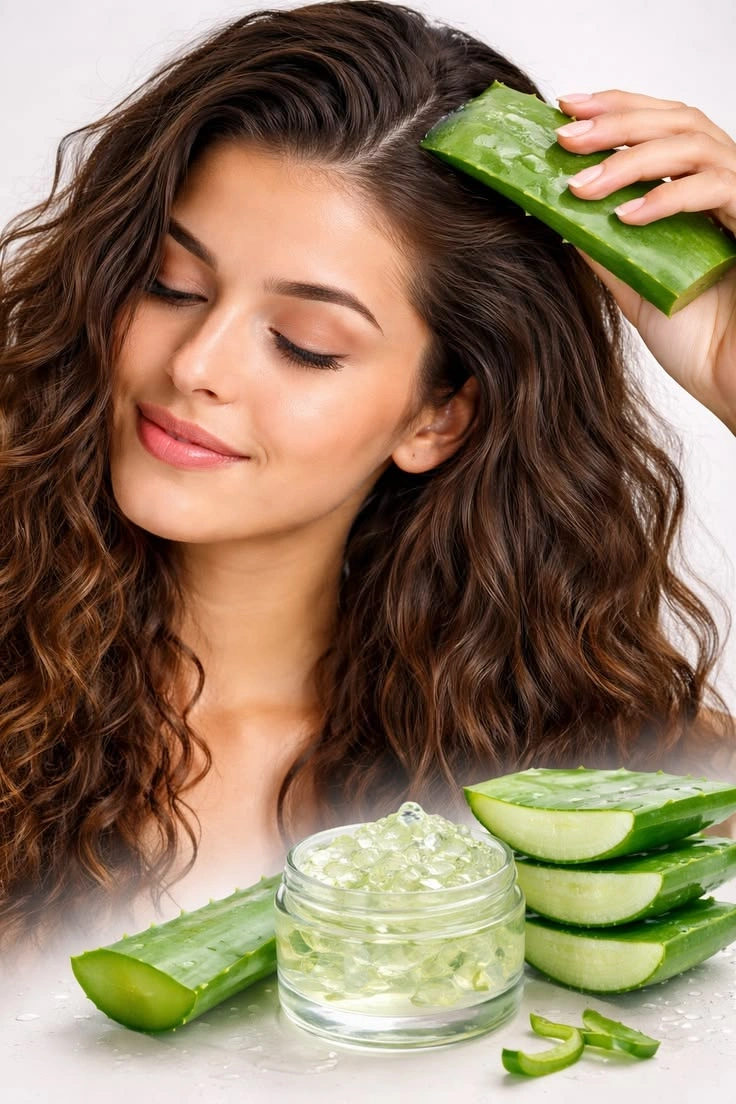
Aloe vera has been a staple in natural hair care for centuries, valued for its soothing gel and nutrient-rich composition. In 2026, it remains a popular home remedy for addressing common hair concerns, including dryness, scalp irritation, and thinning. While many enthusiasts praise its potential to support healthier, fuller-looking hair, scientific evidence for direct hair growth stimulation is limited. This article explores the proven and potential benefits of aloe vera, practical application methods, and important considerations for safe use.
Understanding Aloe Vera’s Composition and Hair Benefits
Aloe vera gel, extracted from the inner leaves of the Aloe barbadensis miller plant, consists of approximately 99% water along with vitamins, minerals, enzymes, amino acids, and fatty acids. It is particularly rich in vitamins A, B12, C, and E, which contribute to overall hair and scalp health.
Key Benefits for Hair:
-
Scalp Soothing and Anti-Inflammatory Effects: Aloe vera’s natural anti-inflammatory properties help calm itchy, irritated scalps and reduce conditions like dandruff. Its enzymes work to remove dead skin cells and excess sebum, creating a cleaner environment for hair follicles.
-
Deep Moisturization and Conditioning: The gel acts as an excellent natural conditioner, locking in moisture and smoothing the hair cuticle. This reduces frizz, improves shine, and makes hair more manageable, especially for dry or damaged strands.
-
Strengthening and Reducing Breakage: Amino acids and fatty acids in aloe vera help strengthen hair strands, potentially decreasing breakage and split ends. By improving tensile strength, it supports the appearance of thicker, healthier hair over time.
-
Cleansing Properties: Aloe vera gently cleanses the scalp without stripping natural oils, making it suitable for oily hair types as well. It balances scalp pH and may help control excess oil production.
-
Potential Support for Hair Growth: While direct clinical evidence remains limited, some researchers point to compounds like aloenin that may contribute to better follicle health. By clearing clogged follicles and improving blood circulation to the scalp, aloe vera can indirectly support healthier hair growth cycles. Limited studies and anecdotal reports suggest improvements in hair loss symptoms and dandruff when used consistently, though results vary.
It is important to note that aloe vera is not a proven cure for genetic hair loss or severe alopecia. Its primary value lies in maintaining scalp health and improving existing hair quality rather than regenerating new growth from dormant follicles.
How to Use Aloe Vera for Hair Care
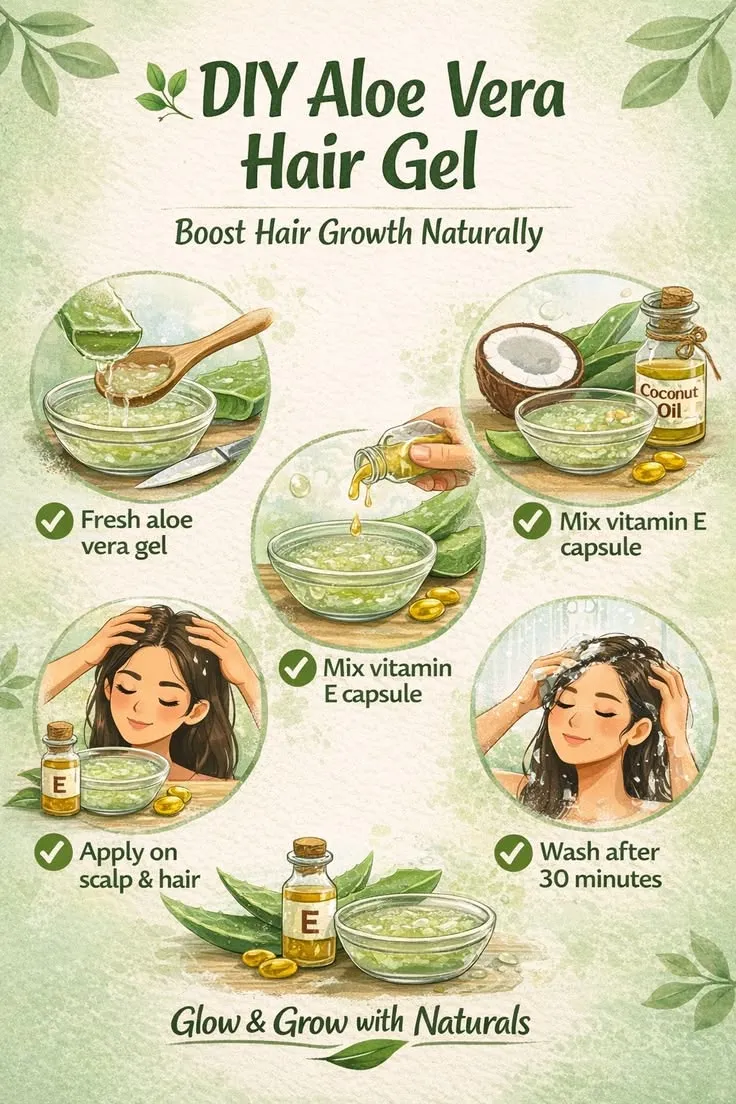
The simplest and most effective way to incorporate aloe vera is by using fresh gel from the plant. Here are practical methods:
Direct Application:
Extract fresh gel and apply it directly to the scalp and hair. Massage gently for better absorption, leave it on for 20-30 minutes, then rinse with lukewarm water. For added moisture, combine with a few drops of castor oil or coconut oil before rinsing.
Popular DIY Hair Masks:
-
Basic Hydration Mask: Mix 2-3 tablespoons of aloe vera gel with 1 tablespoon of coconut oil. Apply to damp hair, cover with a shower cap, and leave for 30-45 minutes. Rinse thoroughly. This combination deeply nourishes and smooths dry hair.
-
Dandruff Treatment Mask: Blend 4 tablespoons of aloe vera gel with 2 teaspoons of apple cider vinegar and a touch of honey. Apply to the scalp, massage, and leave for 20-30 minutes before washing. Use once a week to soothe irritation and reduce flaking.
-
Growth-Support Mask: Combine aloe vera gel with yogurt and honey for protein and moisture. Or mix with ripe banana for extra conditioning. These masks provide vitamins and help strengthen strands.
-
Shine-Enhancing Mask: Use aloe vera gel with a small amount of jojoba oil or fenugreek powder for added smoothness and gloss.
For best results, apply masks 1-2 times per week. Always do a patch test on your inner arm 24 hours before full application to check for sensitivity.
Pre-Shampoo Treatment: Apply aloe vera gel as a pre-poo treatment before regular shampooing to protect hair from harsh cleansing agents and improve overall manageability.
Frequency and Consistency: Regular use over several weeks is typically needed to notice improvements in scalp comfort and hair texture. Results depend on individual hair type, underlying conditions, and overall lifestyle factors like diet and stress management.
Precautions and Potential Side Effects
Aloe vera is generally considered safe for topical use. However, some individuals may experience allergic reactions, particularly those sensitive to plants in the Liliaceae family (such as garlic, onions, or tulips). Symptoms can include redness, itching, or mild irritation.
-
Perform a patch test before each new recipe.
-
Avoid applying to open wounds or severely damaged skin.
-
Use fresh gel whenever possible, as commercial products may contain added preservatives or alcohol that can dry the scalp.
-
Consult a dermatologist before use if you have underlying scalp conditions, are pregnant, or are using prescription hair treatments.
-
Excessive use may lead to buildup, so rinse thoroughly and clarify hair periodically.
Internal consumption of aloe vera is not recommended for hair benefits and can cause digestive issues; stick to external applications.
Maximizing Results with a Holistic Approach
For optimal hair health, combine aloe vera treatments with a balanced routine:
-
Maintain a nutrient-rich diet with adequate protein, iron, and biotin.
-
Practice gentle hair care habits, including minimal heat styling and regular trims.
-
Manage stress and ensure proper sleep, as these factors significantly influence hair growth cycles.
-
Address any underlying medical conditions with professional guidance.
While aloe vera offers an affordable, natural addition to your regimen, patience is essential. Visible improvements in hair thickness or reduced shedding often take 4-8 weeks of consistent application.
Final Thoughts
Aloe vera stands out as a versatile, gentle ingredient that supports scalp health, moisture balance, and hair strength. Although strong scientific proof for dramatic hair growth is still emerging, its ability to create a healthier environment for follicles makes it a worthwhile option for many seeking natural hair care solutions.
By using fresh aloe vera responsibly through direct applications or simple DIY masks, you can enjoy softer, shinier, and more resilient hair. Remember that no single ingredient works miracles—sustainable results come from consistent care and a holistic lifestyle. If you experience persistent hair loss, consult a healthcare professional to rule out underlying causes. With realistic expectations and regular use, aloe vera can become a valuable ally in your journey toward healthier hair.
Read more – tripfleeting.com